





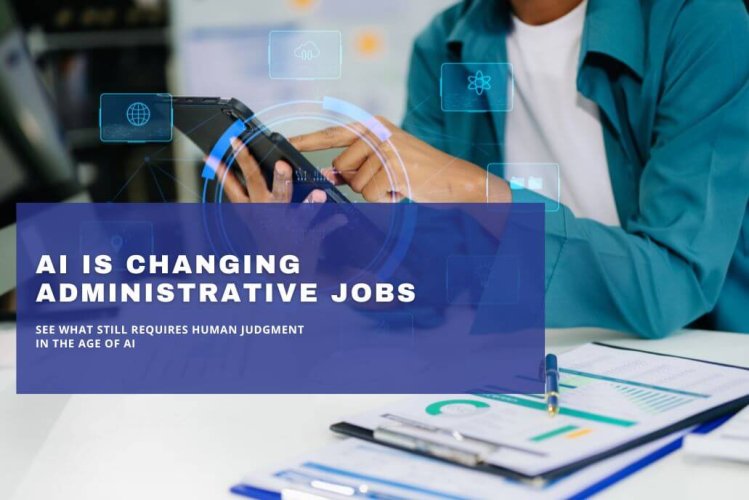
AI, or artificial intelligence, is reshaping administrative work faster than many job descriptions can keep up. Tasks that once required hours of manual effort can now be completed or accelerated with AI productivity tools.
For U.S. employers, that creates an opportunity to improve efficiency. However, it also raises a more complicated question: If AI can handle more administrative tasks, what should administrative professionals be responsible for in 2026?
The answer is not to automate everything technology can perform. Administrative work often requires context that software cannot fully capture, knowing which request is genuinely urgent, recognizing when a client needs a thoughtful response, handling sensitive information appropriately, or anticipating what an executive will need next.
The challenge for employers is determining where AI for administrative tasks creates genuine efficiency and where human judgment remains essential. It may also require rethinking administrative job descriptions and whether outsourced admin services can provide a better balance between automation and human expertise.
What Admin Tasks Can AI Actually Replace?
AI is most effective at reducing manual effort in repetitive, rules-based work. It can organize information, generate first drafts, summarize data, and automate predictable steps.
Rather than viewing an AI administrative assistant as a replacement for the entire role, employers can use AI to handle or accelerate specific tasks while employees focus on judgment, communication, and exceptions.
1. Scheduling and Calendar Coordination
AI-enabled scheduling tools can identify available time slots, detect conflicts, send reminders, and coordinate routine meetings. This reduces administrative back-and-forth.
Human judgment remains important when priorities conflict. An administrative professional may still need to decide which meeting takes precedence, whether an executive’s calendar should be rearranged, or how to accommodate an important client.
2. Data Entry and Document Organization
AI and automation can extract information, classify files, populate fields, identify duplicates, and organize records. These are strong candidates for automation because they typically follow predictable rules.
Employees can then focus on exceptions, incomplete information, sensitive records, and quality control rather than manually processing every item.
3. Routine Emails and Templates
AI can accelerate first drafts of meeting confirmations, follow-ups, internal announcements, agendas, and standard responses.
However, generating a grammatically correct message is different from communicating effectively. Human review remains important for tone, context, accuracy, and sensitive communications where an inappropriate response could affect a business relationship.
4. Basic Reporting and Summarization
AI can summarize documents and meeting notes, consolidate updates, identify themes, and prepare initial reports.
The distinction is simple: AI can help answer “What does the information say?” while people are often needed to determine “What does this mean for the business?”
For employers considering AI for administrative tasks, that is a useful dividing line. Automate work that is repetitive, predictable, and easy to verify. Keep people involved when decisions become contextual, sensitive, or consequential.
This human-plus-technology approach can also extend beyond individual tasks. Our team explores how businesses can combine automation with trained remote professionals in its guide to AI collaboration with Filipino virtual assistants.
Where AI Falls Short and Can Hurt More Than It Helps
AI can generate an output without necessarily understanding the business context behind it. Employers should be particularly cautious in several areas.
Judgment and Prioritization
Two requests may both be labeled urgent, but which one actually deserves immediate attention? Should an executive’s schedule change for an unexpected client request? Can a deadline move without affecting another team?
An experienced administrative professional develops organizational context over time. They learn which issues require escalation, which priorities can shift, and when an apparently routine situation needs closer attention.
Relationship Management
Administrative professionals frequently coordinate with executives, employees, clients, vendors, and other stakeholders.
A frustrated client may need reassurance rather than an automated response. A vendor issue may require tactful negotiation. A sensitive employee request may call for discretion and empathy.
AI can assist with communication, but relationship knowledge and interpersonal judgment remain distinctly human strengths.
Confidential and Sensitive Situations
Administrative teams may handle executive calendars, employee information, financial records, customer data, contracts, and confidential communications.
Employers using AI should establish policies defining which tools are approved, what information can be processed through them, and which responsibilities require human handling. Convenience should not override confidentiality or appropriate data governance.
Last-Minute Changes and Exceptions
Administrative work rarely follows a perfect workflow. Meetings run late, travel plans change, customers make unexpected requests, and priorities shift.
Automation performs well when processes follow predictable paths. Skilled administrative professionals add value when those processes break down: assessing alternatives, coordinating changes, and determining when standard procedures no longer produce the right outcome.
Quality Control
AI-generated drafts, summaries, and reports may contain inaccuracies, omit context, or use inappropriate language. Someone still needs to verify the work.
This means administrative professionals may increasingly move from creating everything manually to reviewing, validating, and improving AI-assisted outputs. An effective AI administrative assistant still requires accountable human oversight.
What Admin Skills Will Still Matter in 2026?
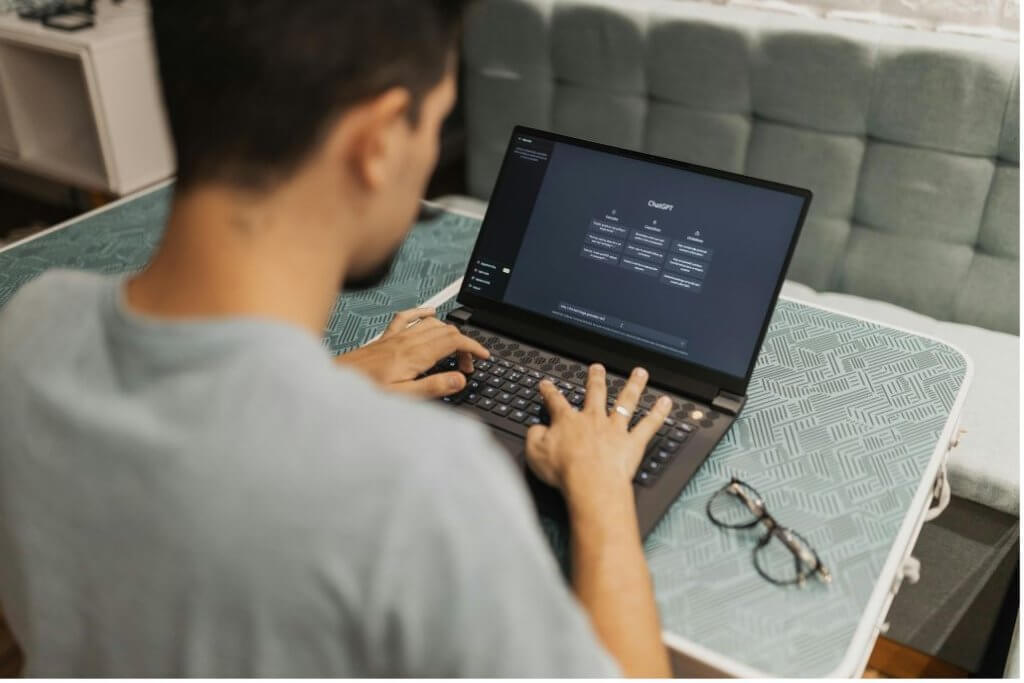
As routine work becomes easier to automate, the most valuable administrative assistant skills are those that complement technology: critical thinking, cross-tool fluency, communication, and problem-solving.
Critical Thinking and Prioritization
Administrative professionals must assess competing requests, recognize consequences, identify missing information, and know when to escalate an issue.
For hiring managers, interviews should therefore explore not only how candidates perform tasks, but why they would choose one course of action over another.
Cross-Tool Fluency
Technology proficiency now extends beyond email, spreadsheets, calendars, and project management software. Administrative professionals increasingly work across automation platforms and AI productivity tools.
They do not need to be AI specialists, but they should be comfortable learning new systems, providing effective instructions to AI tools, reviewing outputs, protecting sensitive information, and recognizing when automation is inappropriate.
Communication and Stakeholder Management
As routine communication becomes easier to automate, strong human communication becomes more valuable.
Administrative professionals need to adjust tone and information based on the audience, manage expectations, navigate difficult conversations, and maintain relationships. These capabilities matter particularly when someone represents an executive or coordinates across multiple teams.
Problem-Solving When Automation Fails
A scheduling tool may overlook an executive’s priorities. Integration may fail. An AI-generated report may contain conflicting information.
Strong administrative professionals understand the objective behind a process well enough to find alternatives when the normal workflow fails.
In 2026, their value increasingly comes from knowing what to automate, what to verify, what to prioritize, and when human intervention is necessary.
Redesigning the Admin Job Description for 2026
Job descriptions should evolve alongside the work. Instead of listing only tasks, hiring managers can define administrative roles around outcomes, judgment, and ownership.
| Old Admin Job Description | 2026 Admin Job Description |
| Schedule meetings and maintain calendars | Own calendar coordination and prioritize scheduling based on business needs |
| Draft routine correspondence | Use approved AI tools to accelerate communications while reviewing tone, accuracy, and context |
| Enter data and maintain records | Oversee AI-assisted data workflows, verify accuracy, and resolve exceptions |
| Prepare reports and summaries | Use AI to accelerate reporting, then validate information and surface relevant insights |
| Follow administrative procedures | Manage workflows and identify process improvements |
| Escalate problems to a manager | Exercise judgment within defined authority and escalate high-risk issues |
| Use office productivity software | Work across evolving productivity, automation, and AI tools |
| Complete assigned tasks | Own administrative outcomes, deadlines, and stakeholder coordination |
Should I Outsource Admin Work Instead of Relying on AI Tools?
For many U.S. employers, Outsourced Admin Services offer a practical middle ground. The choice does not have to be between hiring people and using AI. Businesses can combine automation with trained professionals who oversee workflows and remain accountable for results.
AI Still Requires Ownership
AI can draft an email, summarize a meeting, organize information, or suggest a schedule. But someone must determine whether the result is accurate and appropriate.
Without human oversight, time saved through automation can be offset by errors, rework, or poor decisions.
The better question for employers is not simply, “Can AI do this?” Instead ask: “Can we safely automate it, who will verify the result, and who owns the outcome?”
Don’t Turn Managers into AI Supervisors
A DIY AI-only approach can create hidden work.
If administrative positions disappear but their responsibilities remain, managers may end up prompting tools, reviewing outputs, correcting mistakes, maintaining automations, and resolving exceptions themselves.
That may reduce administrative headcount without reducing the administrative burden.
Outsourced administrative support services allow businesses to delegate the function while still benefiting from automation. Trained professionals can use AI for appropriate routine work while taking responsibility for review, coordination, exceptions, and stakeholder communication.
Businesses evaluating what to delegate can also review CreaThink Solutions’ guide to the top tasks covered by outsourced admin services, including scheduling, email management, data entry, and other recurring operational responsibilities.
The result is a balanced model: AI for speed and efficiency; people for judgment, quality, and accountability.
How CreaThink Solutions Delivers Outsourced Admin Services Built for 2026
CreaThink Solutions helps U.S. companies build administrative support around this human-led, AI-enabled model through skilled Filipino professionals.
Its back-office and virtual assistance solutions can support data entry, research, email and calendar management, project coordination, CRM management, bookkeeping, and other administrative responsibilities. Businesses gain human support while retaining the flexibility to incorporate appropriate AI productivity tools into their workflows.
Our staffing process also provides structured talent matching and onboarding based on client requirements. A dedicated account manager serves as a primary point of contact, helping keep outsourced teams aligned with changing business needs.
As requirements grow, companies can expand beyond general administrative support services into other Business Process Outsourcing services, including customer service, technical support, sales and marketing, lead generation, voice support, medical billing, and other back-office functions.
For employers, this creates a flexible approach to administrative staffing—one that can evolve alongside changing responsibilities, workflows, and technology.
Build an Admin Team for the Way Work Operates Now
AI is changing administrative work, but it is also making human judgment more important in the areas that technology cannot reliably handle. The opportunity for employers is to redesign support around that reality: let AI accelerate routine work and let skilled people own the outcomes.
Ready to strengthen your operations with Outsourced Admin Services that combine AI efficiency with human judgment?
Partner with CreaThink Solutions and get the right people in place. Get in touch with our team for a consultation or visit CreaThink Solutions’ website to explore how we can support your administrative needs. You can also browse our blog for more insights on outsourcing, remote staffing, and team building.
Stay updated with the latest insights by following us on Facebook, LinkedIn, and YouTube.